
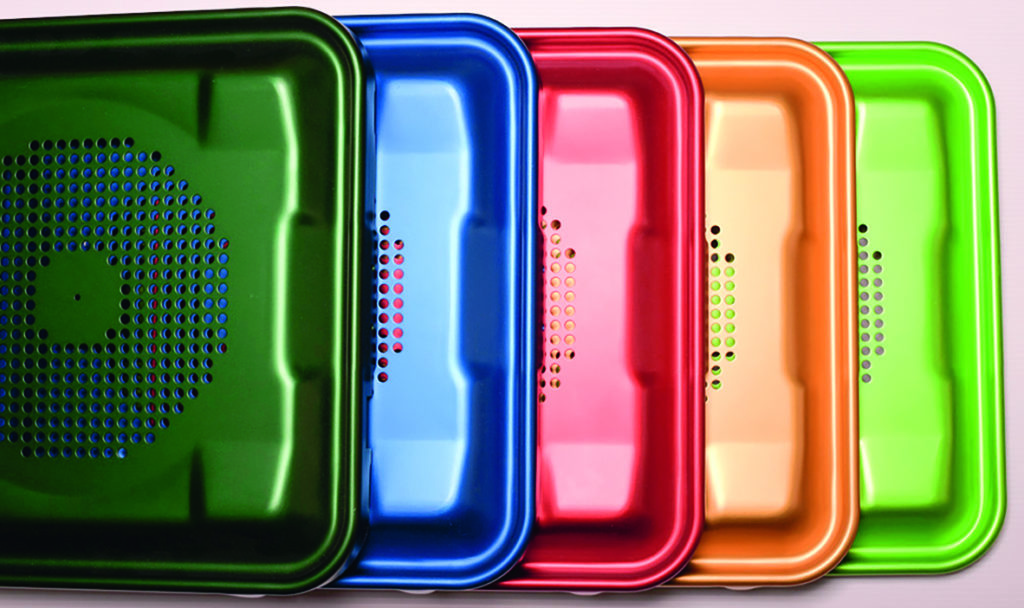
functional and decorative finishing of aluminum components as anode in special electrolytes
anodizing
what is anodizing?
Anodizing is a treatment process for aluminum using anodic oxidation. In this process, a protective oxide layer is formed on the material’s surface. Anodizing is suitable both for functional protection and for the decorative colour finishing of aluminum materials.
Interested in anodizing services? Get in touch with our experts today.
what is the anodizing process for aluminum and titanium materials?
During the process, the workpiece is connected as the anode in an electrolyte. As anodizing progresses, the surface of the workpiece is transformed into a porous, hard, and wear-resistant aluminum oxide layer. The functional anodized coating offers optimum protection and also serves as a decorative coating.
Unlike conventional coatings that are simply applied to the surface, the anodized layer is formed directly from the base material. This creates a strong bond between the oxide layer and the substrate and provides durable functional protection. Depending on the material and process, anodizing can also be used to achieve decorative surface finishes.
Components made of titanium or titanium alloys are anodized in a special acidic electrolyte.
The coating process creates a very thin, tenacious, colorless titanium oxide layer. It appears colored through interference (overlapping of light waves) and stands out with UV resistance. This allows the following various colors to be created:
- Black
- Titanium grey
- Blue
- Red
- Gold
- Green
By varying the coating thickness, however, certain base materials may be finished in further colors. Apart from their color, titanium oxide coatings offer excellent electric isolation and biocompatibility.
Aalberts surface technologies offers proven surface finishes that make it easy to coat components in decorative colors while ensuring reliable corrosion protection. Components made of aluminum alloy are anodized in an electrolyte with color additives.
what base materials are suitable for anodizing?
Whether wrought alloys or cast alloys, almost all technically relevant aluminium alloys can be finished using anodizing. Anodizing can produce a wide range of attractive and durable finishes, including clear, black, gold, copper and other colors.
For colour anodizing of aluminium, alloy selection is particularly important. Different aluminium grades can affect colour intensity, surface appearance and colour consistency. For demanding decorative applications, it is therefore essential to choose an aluminium alloy that is well suited to anodizing.
color anodizing of titanium
For titanium materials, color anodizing is somewhat more complex. The alloy most suitable for color anodizing is TiA16V4 (Ti-6Al-4V). The result: strong, reproducible colors of good quality.
Ti2 may also be coated in a wide range of colors. Unlike with TiAl6V4, the colors shift toward blue and appear somewhat subdued.
The color range achievable with pure titanium is more limited. Reproducible anodized finishes are generally restricted to blue and yellowish tones, making pure titanium less suitable for applications where a broad range of decorative colors is required.
what is technical anodizing of aluminum?
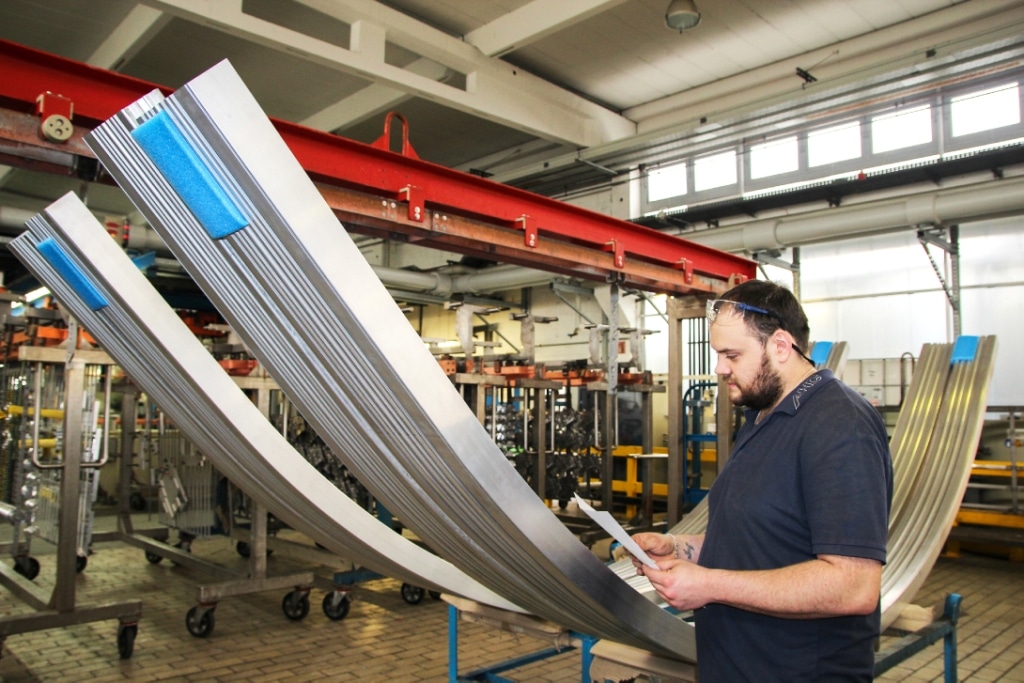
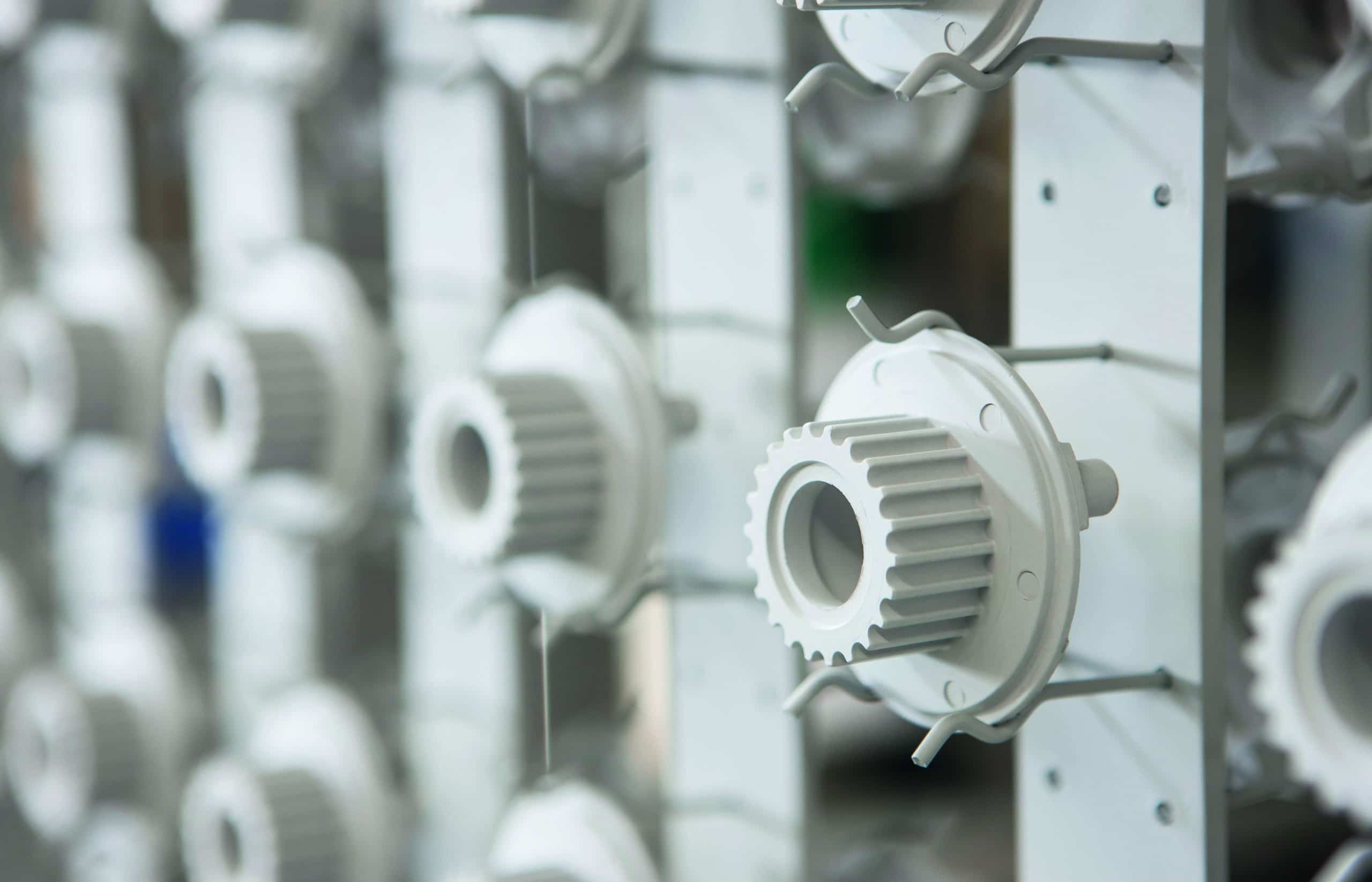
As a classic form of anodizing, technical anodizing is carried out just below room temperature in an acid electrolyte. An external power source is used, with the workpiece to be coated connected as the anode. Through anodic oxidation, technical anodizing layers grow one-third outward from the metal surface and two-thirds inward into the material. This creates an exceptionally strong bond between the oxide layer and the base material.
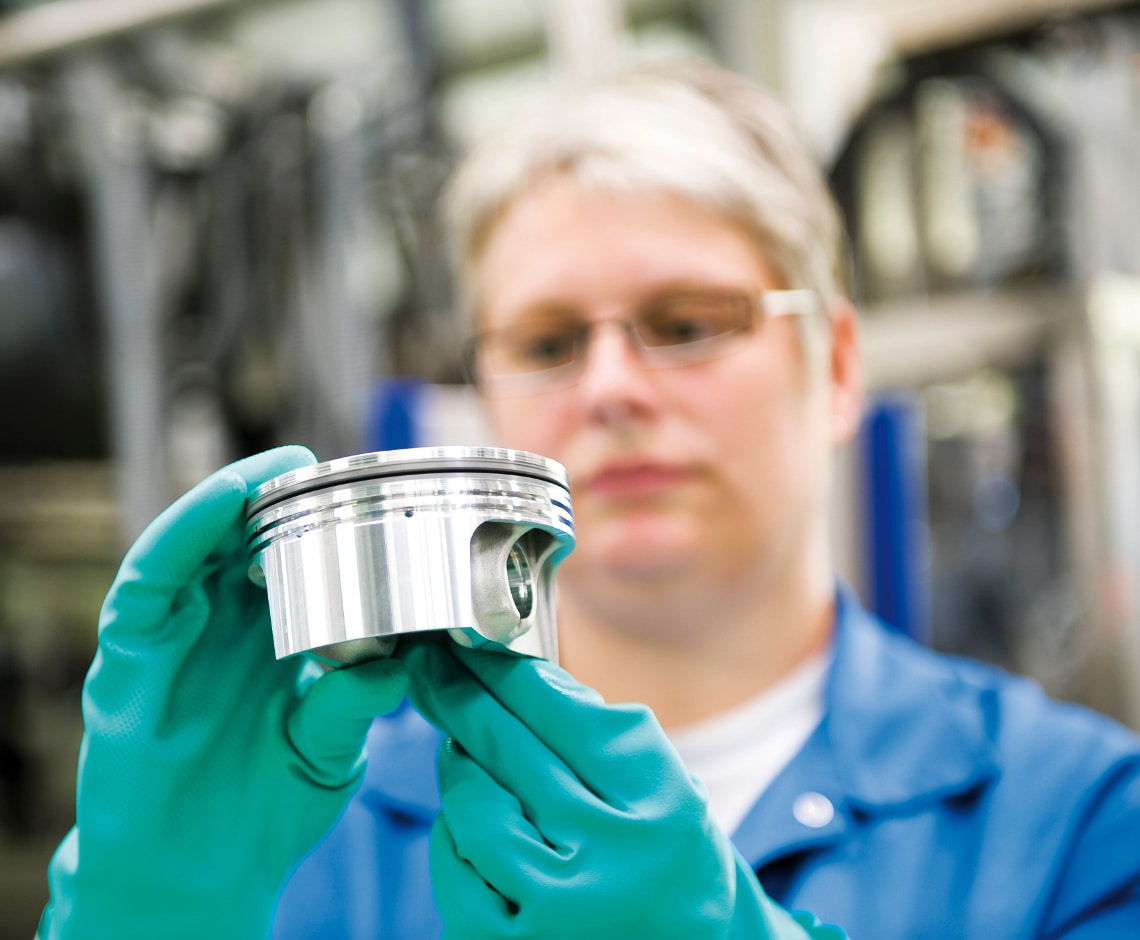
Technical aluminum anodizing creates durable coatings that significantly increase the wear resistance of aluminum. The hardness of the coating is influenced by the material composition, especially by the alloy components. Depending on the coating thickness and sealing, the coating is also able to temporarily withstand acidic or slightly alkaline attacks, providing additional corrosion protection.
In addition, technical anodizing layers can meet various decorative requirements.
Depending on the required result, these can include:
- Pickling
- Grinding
- Blasting
- Polishing
The type of alloy has a major influence on the color of the product to be anodized. It is also possible to deliberately create black oxide coatings. For a base material to be recyclable, the finish too needs to fulfill the conditions for recyclability. Anodic coatings, such as those created with technical anodizing, meet this requirement.
what are the advantages of technical anodizing?
The resulting anodized coating can provide several important functional properties:
- Ideal protection against wear
- High corrosion protection
- Massive breaking strength
- Excellent tribological properties
- Protection against cold welding
- Electrical isolation
- Extreme temperature stability
Using different electrolytes and process parameters, we allow oxide layers to “grow out” of the material, such as metal. This anodizing process creates excellent structures and thus long-lasting surface finishes.
where is color anodizing used?
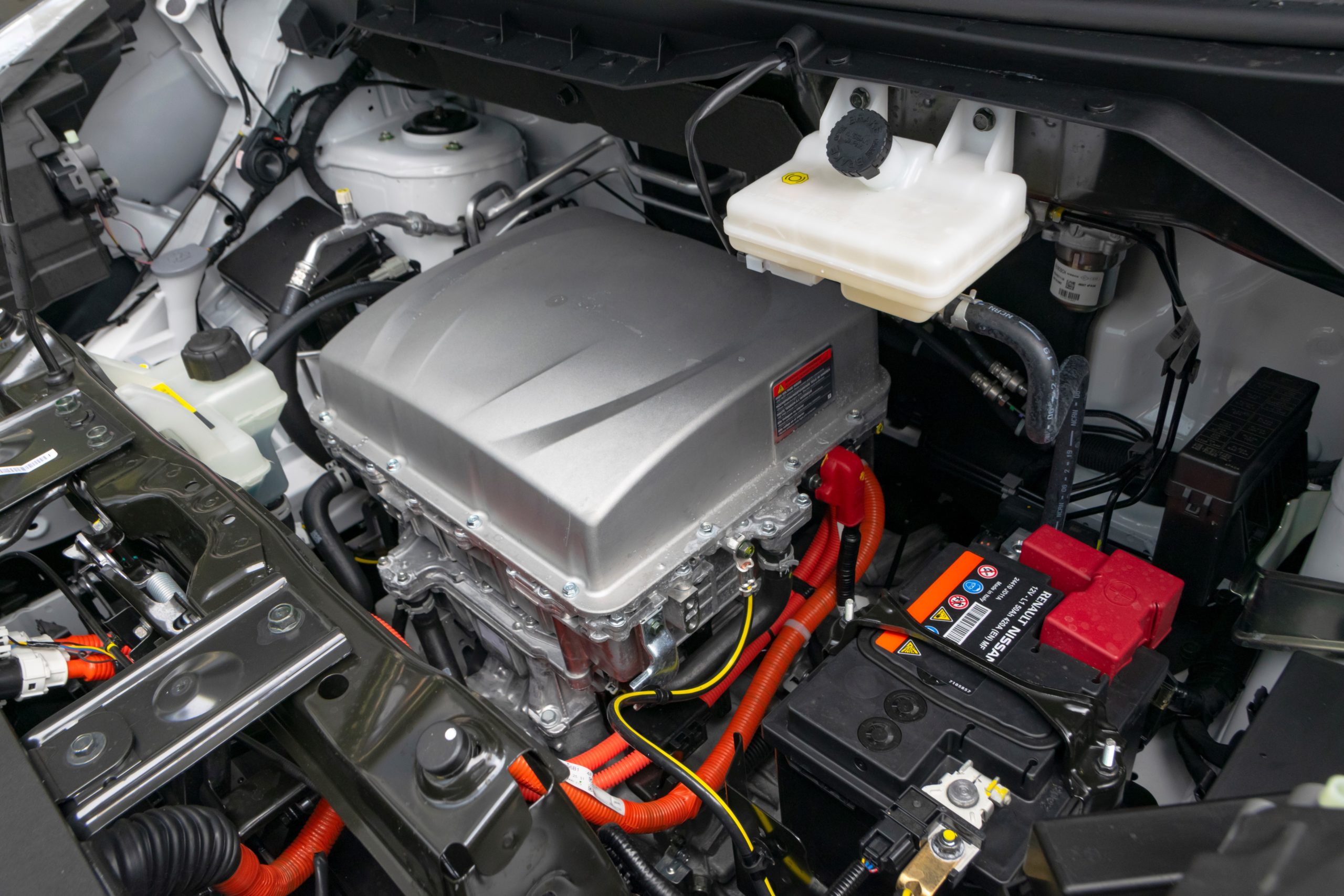
Anodizing is used across a wide range of industries where durable surface protection, wear resistance and, depending on the application, a decorative finish are required. The appropriate anodizing process is selected according to the material, component requirements and desired surface properties.
which industries use technical anodizing?
Technically anodized aluminum sheets and components provide good corrosion and wear protection and are used in a wide range of industries, including:
- Construction industry
- Chemical industry
- Computer industry
- Electrical engineering
- Vehicle construction
- Household devices and goods
- Lighting industry
- Aerospace industry
- Mechanical engineering
- Medical technology
- Furniture and fittings industry
- Optics and precision engineering
- Sports and camping
- Textile industry
Technical anodizing can also be used as a protective base layer before varnishing to improve the corrosion protection of components.
downloads on technical anodizing
Technical information and documentation on anodizing are available for download from Aalberts.
what are the applications of titanium color anodizing?
Titanium color anodizing is used in applications where low weight, high strength, biocompatibility and a distinctive appearance are important.
Typical applications include:
- Medical technology and temporary implants
- Optics and precision products
- Watches and jewelry
- Bicycle components
- Other lightweight and highly durable technical components
In medical technology, colored titanium oxide coatings can help distinguish individual implant components. Their biocompatibility makes them suitable for specific temporary medical applications. Titanium-based implants, which remain inside the body for a limited period of time to promote the healing of bone fractures, for instance, are finished with color anodizing in order to allow surgeons to quickly identify the components concerned. The coated implants behave neutrally in the body. As they adhere neither to the bones nor to the tissue, they can be easily removed upon completion of the healing process.
In optics, watches and jewelry, titanium anodizing provides a combination of a distinctive decorative appearance, durability and biocompatibility. In the bicycle industry, the low weight and high strength of titanium can be combined with color anodizing to meet both functional and design requirements.
Overall, anodizing provides versatile surface treatment solutions for industrial, architectural, technical and decorative applications, with the process adapted to the material and requirements of each component.
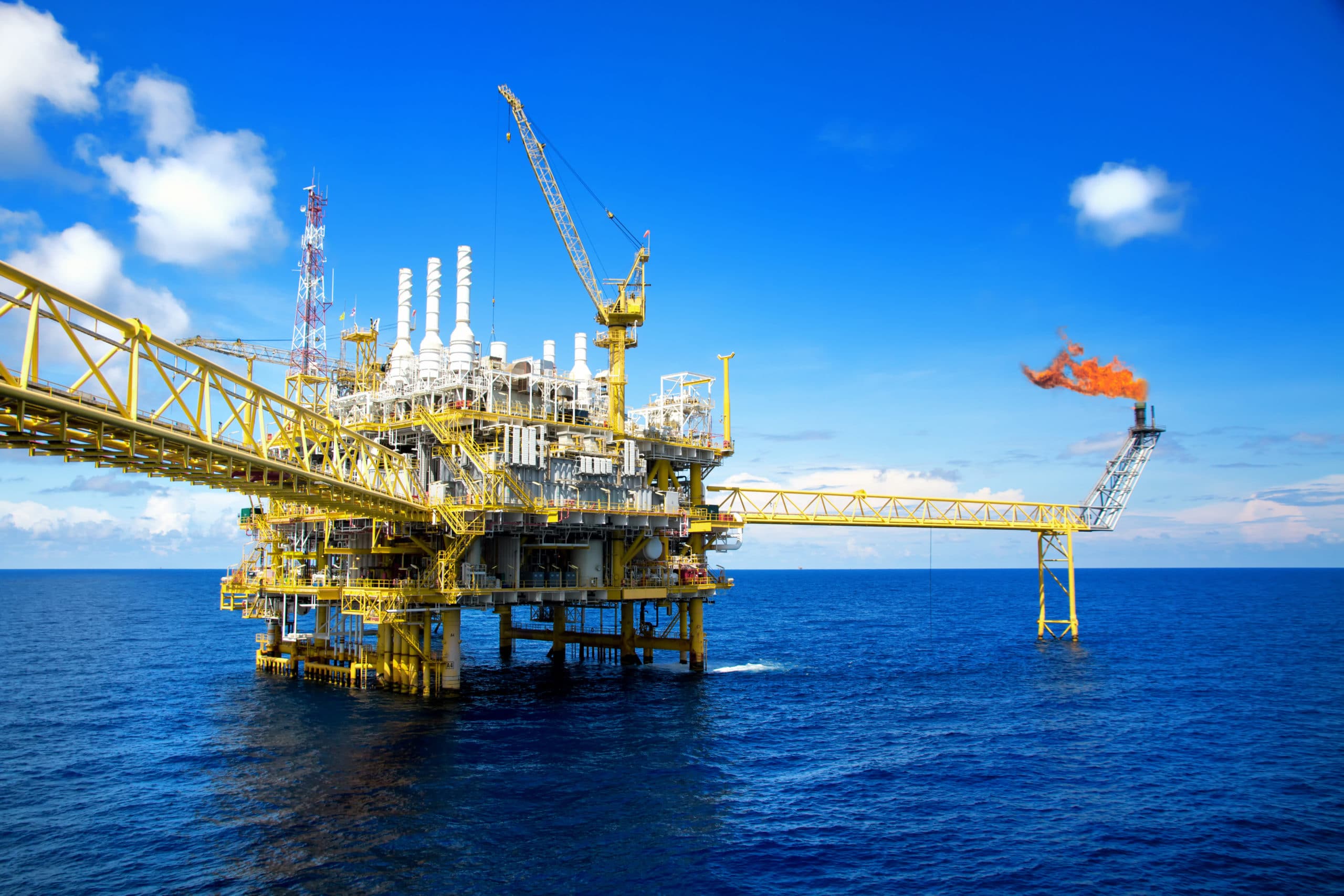
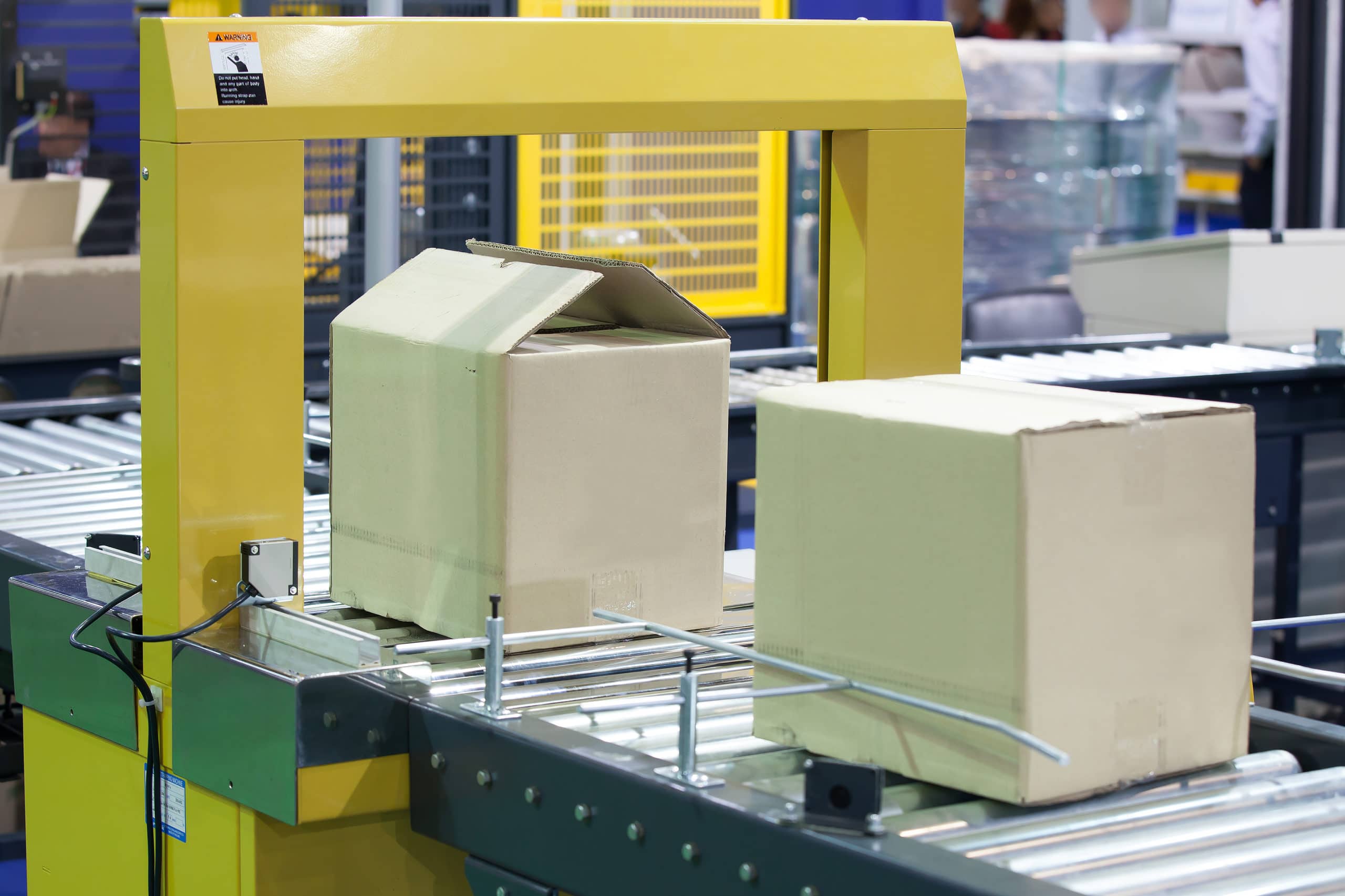
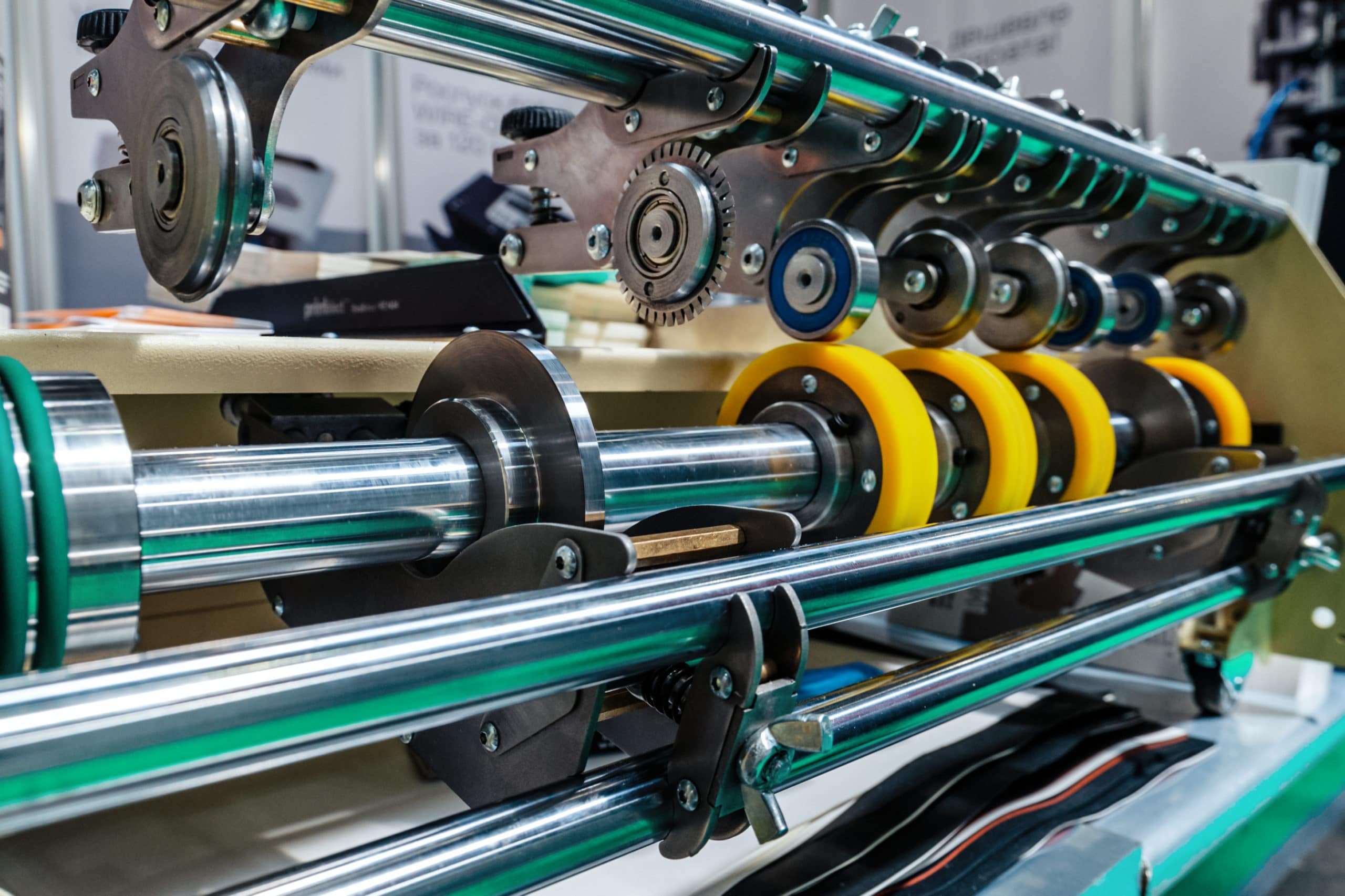
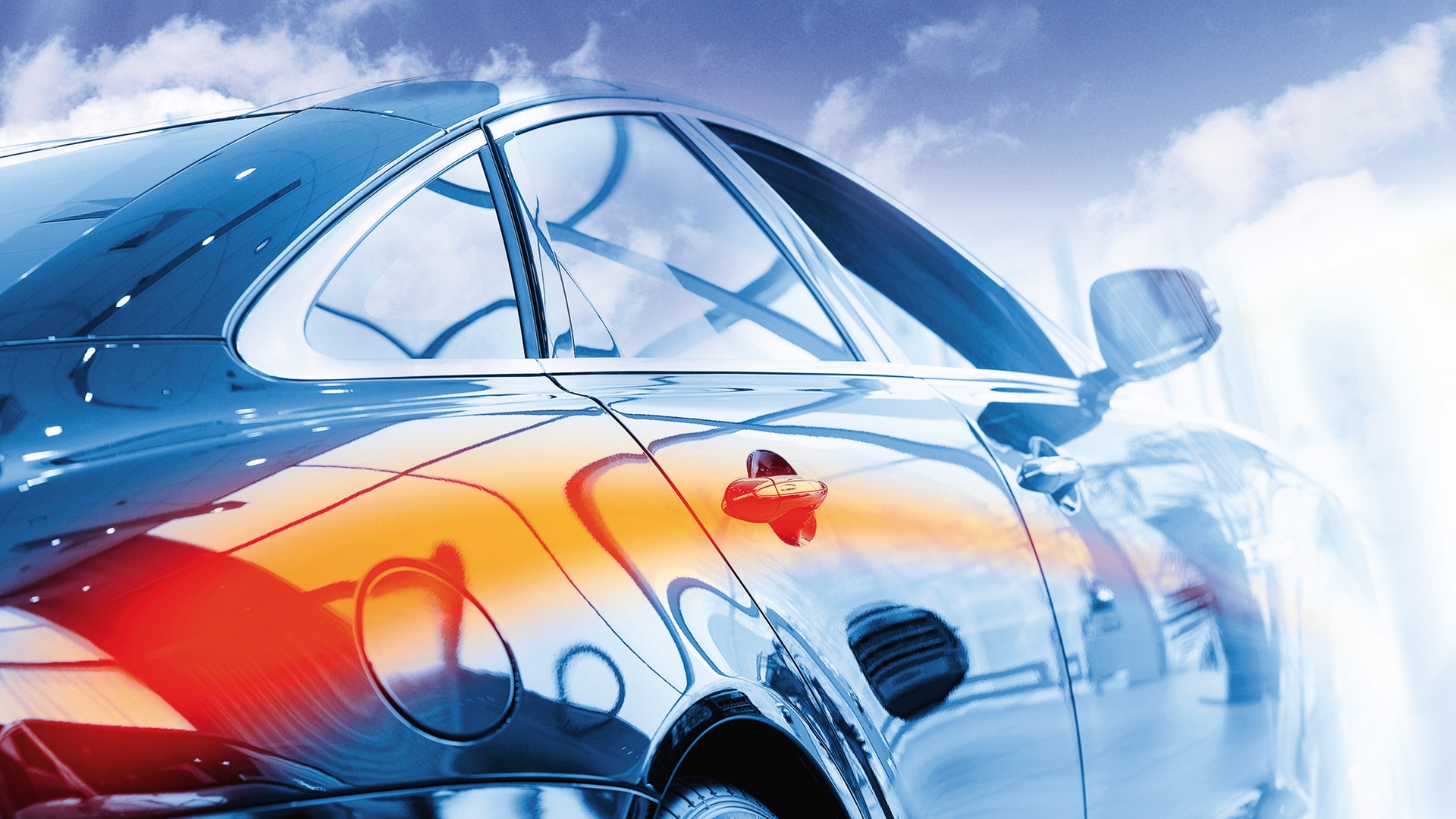
industries we serve

frequently asked questions – anodizing
DOES ANODIZING ALSO WORK WITH OTHER METALS?
So-called refractory metals – which include, amongst others, titanium, magnesium, zinc and vanadium – are suitable for anodizing. When it comes to the finishing of magnesium and titanium, Aalberts surface technologies offers two plasma-chemical processes: MAGOXID-COAT® (for magnesium) and KEPLA-COAT® (for titanium and aluminum).
WHAT ANODIZING COLORS ARE AVAILABLE FOR ALUMINUM?
Anodic coatings have an inherent color which depends on the aluminum alloy and the process parameters used, such as the electrolyte composition or temperature. Higher electrolyte temperatures result in brighter coatings, whereas greater coating thicknesses creates a darker layer, making it possible to create black anodized aluminum coatings. Anodic coatings have pores which form as a result of the anodizing process. It is possible to dye the coatings by introducing pigments into these pores.
IS WHITE ANODIZING POSSIBLE?
White coatings are created using the KEPLA-COAT® white (for aluminum and titanium) and MAGOXID-COAT® white (for magnesium) processes. Here, too, the coating color depends on the alloy.
ARE THERE ANY DIMENSIONAL LIMITS AND WEIGHT RESTRICTIONS AS REGARDS THE COMPONENT TO BE ANODIZED?
The maximum dimensions are 7700x1000x1800 mm³, whereas the weight is restricted to 5000 kg. However, these restrictions always depend on the coating plant.
WHAT IS SO SPECIAL ABOUT THESE LAYERS?
These coatings are so-called conversion coatings. Parts of the base material become fully integrated with the coating, which results in an extremely high bonding strength between the anodic layers.
process locations
Any questions? Contact us directly or select a process location near you.

Dzierżoniów
Poland 50.732931316.6280222 dzierzoniow@aalberts-st.com +48 748108508 show locationFaulquemont
France 49.05433856.6082113 faulquemont@aalberts-st.com +33 387 0043 80 show locationGöppingen
Germany 48.66539429.6795345 eschenbach@aalberts-st.com +49 7161 15688 0 show locationHangzhou
China 30.274084120.15507 hangzhou@aalberts-st.cn +86 (571) 5757 9777 show locationKaufbeuren
Germany 47.91376710.6489502 kaufbeuren@aalberts-st.com +49 8341 6601 0 show locationKerpen
Germany 50.88076.6800999 kerpen@aalberts-st.com +49 2237 502 0 show locationKirchheim-Heimstetten
Germany 48.151143811.7440283 muenchen@aalberts-st.com +49 89 990241-0 show locationKirkby-In-Ashfield
United Kingdom 53.1043759-1.2474762 nottingham@aalberts-st.com +44 1623 753 107 show locationWeiterstadt
Germany 49.897638.61422 weiterstadt@aalberts-st.com +49 6151 9806 0 show locationBerlin
Germany 52.528455313.5331206 berlin@aalberts-st.com +49 30 549904 0 show locationVillers-Cotterets
France 49.24847423.1020097 info.villers@aalberts-st.com +33 323 9601 01 show locationAltdorf
Switzerland 46.86560078.6360123 altdorf@aalberts-st.com +41 41 875 67 00 show locationUnsere Verfahren
Wir bieten weltweit alle Arten von Wärmebehandlungsprozessen an. Unsere Anlagen sind logistisch eng miteinander verknüpft, so dass Ihnen alle Verfahren zur Verfügung stehen. Erfahren Sie mehr zu unseren Wärmebehandlungsverfahren.
Heiß-Isostatisches Pressen (HIP) dient der Beseitigung von Porosität. Sie benötigen bei Lötverbindungen eine hohe mechanische Haltbarkeit und Unempfindlichkeit bei hohen Temperaturen? Wir bei Aalberts surface technologies bieten die Lösung durch Hartlöten (brazing).
Polymerbeschichtungen können auf viele Grundmaterialien aufgebracht werden und bieten lang anhaltenden Schutz. Sie sind mechanisch besonders gut mit dem Untergrund verankert und bieten verbesserte Gleiteigenschaften und/oder hohe Verschleißfestigkeit.
Mit 40 Jahren Erfahrung in der kontinuierlichen Veredelung von reel to reel können Sie sich auf Aalberts surface technologies verlassen, um innovative Lösungen zu finden. Unser Service umfasst Trommelgalvanik, kontinuierliche selektive Galvanik und Gestellgalvanik.
Fast alle metallischen Grundwerkstoffe können mit unseren selbstentwickelten und patentierten Verfahren durch Oberflächenbeschichtungen in ihren Eigenschaften optimiert werden, egal ob sie besonders hart, glatt, verschleißfest oder korrosionsbeständig sein sollen.

Discover our services
We offer all types of heat treatment processes. Our facilities are closely interlinked in terms of logistics, which means that all processes are available to you. For a complete list and description of heat treatment technologies please select the button.
Hot isostatic pressing (HIP) is used to eliminate porosity. Do you need high mechanical durability and insensitivity to high temperatures for solder joints? We at Aalberts surface technologies offer the solution through brazing.
Polymer coatings can be applied to a wide variety of base materials and offer long-lasting protection. They are particularly well anchored mechanically to the substrate. Additional enhancement layers allow non-stick coatings to be combined with improved sliding properties and/or high wear resistance.
With 40 years of experience in continuous reel to reel finishing, you can depend on Aalberts surface technologies to find innovative solutions that other companies might say are impossible. Our service includes barrel plating, continuous selective plating and rack plating.
Almost all metallic base materials can have their properties optimised by surface coatings using our proprietary and patented processes, regardless of whether they should be particularly hard, smooth, wear-resistant or corrosion-resistant.
The Aalberts websites use cookies (read more) to analyse website usage and improve usability. We also use third party tracking-cookies to measure user preferences, enable content sharing on social media and interest-based advertising. If you hit 'accept' you allow to us to place the different types of cookies.
privacy overview
| Cookie | Duration | Description |
|---|---|---|
| cookielawinfo-checkbox-analytics | 1 year | This cookies is set by GDPR Cookie Consent WordPress Plugin. The cookie is used to remember the user consent for the cookies under the category "Analytics". |
| cookielawinfo-checkbox-necessary | 1 year | This cookie is set by GDPR Cookie Consent plugin. The cookies is used to store the user consent for the cookies in the category "Necessary". |
| cookielawinfo-checkbox-others | 1 year | This cookie is set by GDPR Cookie Consent plugin. The cookie is used to store the user consent for the cookies in the category "Others". |
| cookielawinfo-checkbox-performance | 1 year | This cookie is set by GDPR Cookie Consent plugin. The cookie is used to store the user consent for the cookies in the category "Performance". |
| elementor | never | This cookie is used by the website's WordPress theme. It allows the website owner to implement or change the website's content in real-time. |
| Cookie | Duration | Description |
|---|---|---|
| cookielawinfo-checkbox-functional | 1 year | The cookie is set by GDPR cookie consent to record the user consent for the cookies in the category "Functional". |