

gas nitriding
gas nitriding: nitriding of steel
Gas nitriding is a thermochemical surface treatment applied to steel with the aim of hardening the surface to significantly improve wear resistance, corrosion resistance, and fatigue strength. Gas nitriding is particularly suitable for products exposed to high surface loads. Localized treatment is also possible. The process takes place at a relatively low temperature, which often eliminates the need for further machining in many applications. There are various nitriding processes to create a hard, wear-resistant layer on steel. Gas nitriding is one of them, but there are alternatives as well.
gas nitriding process
Gas nitriding is a process in which nitrogen is introduced into the surface of steel by diffusion. This is done in a furnace by heating (at temperatures between 475°C and 550°C) under an atmosphere containing ammonia gas (NH₃).
The material is then held at this temperature for a certain period, which can range from a few hours up to 120 hours. The resulting nitrided layer in the metal lattice is a compound of nitrogen atoms with iron and the alloying elements present. The desired hardness is determined by the chosen material type and the extent to which these so-called nitrides can be formed.
A so-called nitrided layer is formed, consisting of a compound layer (also called the white layer), which is very hard (but can also be somewhat brittle), and a diffusion zone. This zone is slightly lower in hardness but provides strength and supports the compound layer. The surface can reach hardness values up to 1200 HV1. The achievable nitriding depths depend not only on the chosen nitriding process but also on the material. Typically, depths can range from 0.1 to 0.8 mm.
The desired hardness is created by the transfer of nitrides into the metal mesh. Different degrees of hardness can be achieved depending on the element used.
application areas
Examples of components commonly chosen for gas nitriding:
- Shafts: Gas nitriding is often used for surface hardening various types of shafts, especially those that must withstand high loads, such as drive shafts in the automotive industry.
- Gears: Gears are often nitrided to improve their wear resistance and durability, especially those in gearboxes exposed to high loads and friction.
- Tool Steel: Tools such as molds, dies, and cutting tools can gain increased hardness and wear resistance through gas nitriding, extending their lifespan and improving the quality of machined workpieces.
- Crankshafts: Crankshafts in combustion engines are often nitrided to increase surface hardness and thus extend engine life.
- Piston Rods: Gas nitriding is also used on piston rods to increase surface hardness and reduce wear.
application of gas nitriding in various industries
The use of gas-nitrided components is found in many different industries. Some examples include:
- In the automotive industry, gas nitriding optimizes the wear resistance of drive shafts, transmission components, and crankshafts, resulting in a noticeably longer lifespan of the components.
- In the tooling industry, gas nitriding enables the production of extremely robust and wear-resistant tools such as molds, dies, and cutting tools.
- In the aerospace industry, nitriding is used to increase the surface hardness of components such as piston rods and pistons, improving their performance under extreme conditions.

advantages of gas nitriding
Gas nitriding significantly increases the performance, reliability, and lifespan of components. Some advantages include:
- Higher bending and fatigue strength
- Improved wear and abrasion resistance
- Lower coefficient of friction
- High temperature resistance
- Reliably reproducible results
- Partial treatment is possible
- Low-temperature process, minimal distortion, saves post-processing
- Environmentally friendly compared to other processes (e.g., chrome plating)
suitable metals and results for the nitriding process
When is a material suitable for nitriding?
In principle, any type of steel can be nitrided. However, to achieve seriously high hardness, it must be alloyed with elements that promote nitrogen absorption, such as:
- Chromium
- Vanadium
- Molybdenum
- Titanium
- Aluminum
These elements ensure the formation of hard to extra-hard nitrides on the surface. Furthermore, depending on the application, it is important that the core remains tough, but sometimes a certain pre-applied hardness/strength is needed to prevent deformation under load. Pre-stress relieving can ensure the material is stress-free, reducing the risk of shape changes.
Note: Highly alloyed materials with high chromium (Cr) and nickel (Ni) content, such as titanium, stainless steel (RVS), or Ni-based alloys, are not suitable for gas nitriding. For these materials, alternative processes such as plasma nitriding or the specialized Stainihard® process should be chosen.

certifications
Certified according to:
- DIN EN ISO 9001:2015
- VDA 6.1:2016
- ISO 13485:2016
environment, sustainability, and safety
Aalberts surface technologies strives to produce as environmentally and eco-friendly as possible. Gas nitriding is also an environmentally friendly process, and products last longer, meaning they need to be replaced less often. We are proud to have received the EcoVadis Medal, which confirms our commitment to responsibility for people, the environment, and our customers and suppliers throughout the value chain.
frequently asked questions – gas nitriding
What is gas nitriding?
Gas nitriding is a thermochemical surface treatment applied to steel to harden the surface and significantly improve wear resistance, corrosion resistance, and fatigue strength.
Which steels are suitable for gas nitriding?
Many types of steel are suitable for nitriding. The best results are achieved with so-called nitriding steel with a carbon content between 0.3 and 0.4% and a certain proportion of alloying elements: aluminum and chromium.
Are there alternative methods for surface hardening steel?
Yes, these include case hardening (also called carburizing) and induction hardening.
Are there limitations to gas nitriding?
The achievable nitriding depth is limited to a maximum of 0.6–0.8 mm, whereas carburizing treatments can create significantly deeper layers. Furthermore, highly alloyed steels cannot be nitrided; these can be treated with plasma nitriding or the Stainihard® process.
How long does the gas nitriding process take?
Depending on the material and the desired nitriding depth, between 4 and 100 hours.
industries we serve
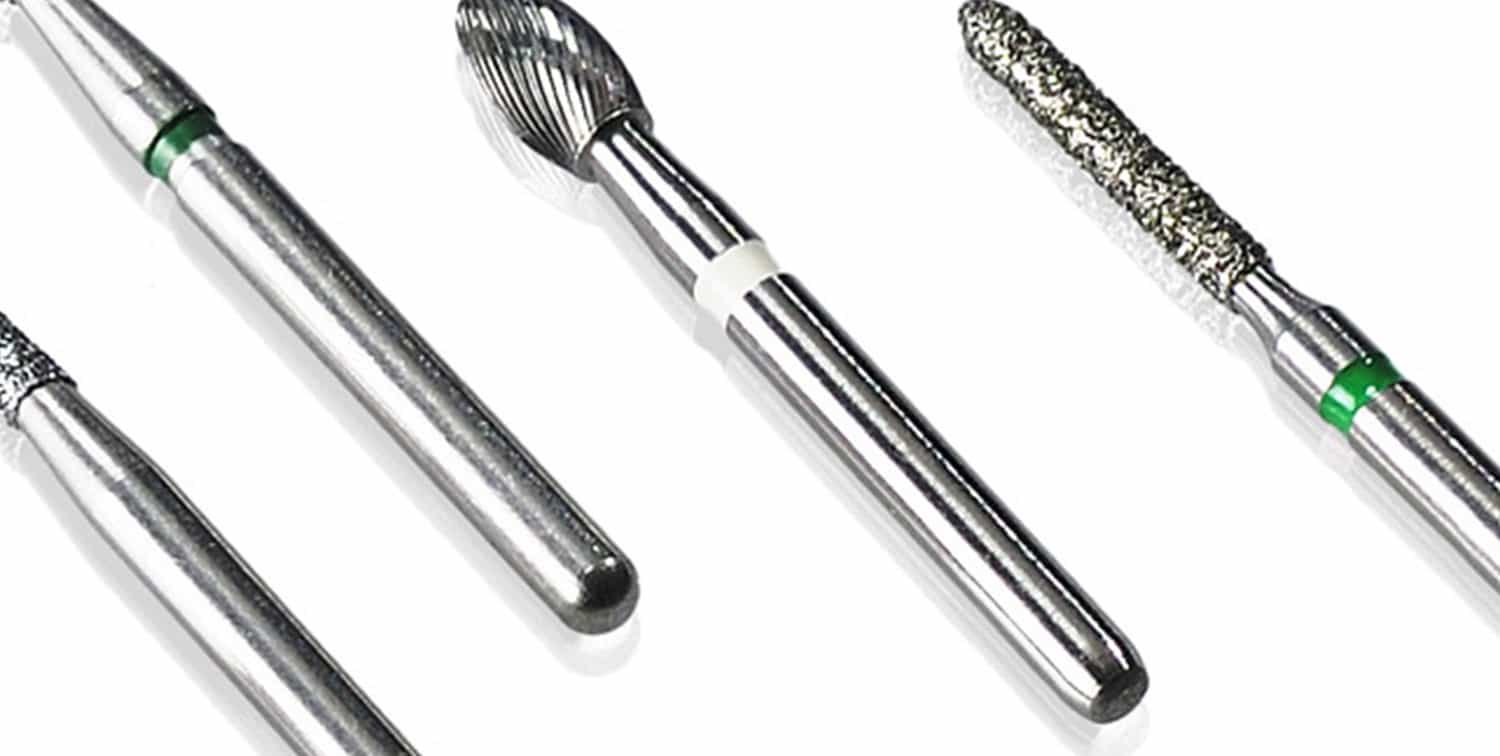

process locations
Any questions? Contact us directly or select a process location near you.
Amboise
France 47.41544421.0245775 info.amboise@aalberts-st.com +33 247 2374 74 show locationDunningen
Germany 48.2249668.5003521 info.dunningen@aalberts-st.com +49 7403 92907-0 show locationDzierżoniów
Poland 50.732931316.6280222 info.dzierzoniow-heat@aalberts-st.com +48 518 298 539 show locationEindhoven
the Netherlands 51.47035245.419001 info.eindhoven-heat@aalberts-st.com +31 40 266 3000 show locationGaildorf
Germany 49.01621959.7588191 info.gaildorf@aalberts-st.com +49 7971 96980 show locationKehl
Germany 48.500157.82006 info.kehl@aalberts-st.com +49 7854 96470 show locationLaupheim
Germany 48.229769.83458 info.laupheim@aalberts-st.com +49 7392 70960 show locationRemscheid
Germany 51.22193897.2353813 info.remscheid@aalberts-st.com +49 2191 56200 show locationThyez
France 46.07632076.5266973 info.thyez@aalberts-st.com +33 450 3463 98 show locationVärnamo
Sweden 57.176705814.0107878 info.nordic@aalberts-st.com +46 370 69 09 90 show locationVenlo (Lomm)
the Netherlands 51.44642316.1786697 info.venlo@aalberts-st.com +31 77 308 1333 show locationWerther
Germany 52.085558.42509 info.werther@aalberts-st.com +49 5203 97405 show locationPinto
Spain 40.2523494-3.7105911 info.madrid@aalberts-st.com +34 916 923 330 show locationTelford
United Kingdom 52.7205556-2.4701772 info.telford@aalberts-st.com +44 1952 677372 show locationNashville
United States 36.2091258-86.7474289 sales@paulo.com +1 615 228 2526 show locationSt. Louis
United States 38.6261873-90.2814872 sales@paulo.com +1 314 647 7500 show locationUnsere Verfahren
Wir bieten weltweit alle Arten von Wärmebehandlungsprozessen an. Unsere Anlagen sind logistisch eng miteinander verknüpft, so dass Ihnen alle Verfahren zur Verfügung stehen. Erfahren Sie mehr zu unseren Wärmebehandlungsverfahren.
Heiß-Isostatisches Pressen (HIP) dient der Beseitigung von Porosität. Sie benötigen bei Lötverbindungen eine hohe mechanische Haltbarkeit und Unempfindlichkeit bei hohen Temperaturen? Wir bei Aalberts surface technologies bieten die Lösung durch Hartlöten (brazing).
Polymerbeschichtungen können auf viele Grundmaterialien aufgebracht werden und bieten lang anhaltenden Schutz. Sie sind mechanisch besonders gut mit dem Untergrund verankert und bieten verbesserte Gleiteigenschaften und/oder hohe Verschleißfestigkeit.
Mit 40 Jahren Erfahrung in der kontinuierlichen Veredelung von reel to reel können Sie sich auf Aalberts surface technologies verlassen, um innovative Lösungen zu finden. Unser Service umfasst Trommelgalvanik, kontinuierliche selektive Galvanik und Gestellgalvanik.
Fast alle metallischen Grundwerkstoffe können mit unseren selbstentwickelten und patentierten Verfahren durch Oberflächenbeschichtungen in ihren Eigenschaften optimiert werden, egal ob sie besonders hart, glatt, verschleißfest oder korrosionsbeständig sein sollen.

Discover our services
We offer all types of heat treatment processes. Our facilities are closely interlinked in terms of logistics, which means that all processes are available to you. For a complete list and description of heat treatment technologies please select the button.
Hot isostatic pressing (HIP) is used to eliminate porosity. Do you need high mechanical durability and insensitivity to high temperatures for solder joints? We at Aalberts surface technologies offer the solution through brazing.
Polymer coatings can be applied to a wide variety of base materials and offer long-lasting protection. They are particularly well anchored mechanically to the substrate. Additional enhancement layers allow non-stick coatings to be combined with improved sliding properties and/or high wear resistance.
With 40 years of experience in continuous reel to reel finishing, you can depend on Aalberts surface technologies to find innovative solutions that other companies might say are impossible. Our service includes barrel plating, continuous selective plating and rack plating.
Almost all metallic base materials can have their properties optimised by surface coatings using our proprietary and patented processes, regardless of whether they should be particularly hard, smooth, wear-resistant or corrosion-resistant.
The Aalberts websites use cookies (read more) to analyse website usage and improve usability. We also use third party tracking-cookies to measure user preferences, enable content sharing on social media and interest-based advertising. If you hit 'accept' you allow to us to place the different types of cookies.
privacy overview
| Cookie | Duration | Description |
|---|---|---|
| cookielawinfo-checkbox-analytics | 1 year | This cookies is set by GDPR Cookie Consent WordPress Plugin. The cookie is used to remember the user consent for the cookies under the category "Analytics". |
| cookielawinfo-checkbox-necessary | 1 year | This cookie is set by GDPR Cookie Consent plugin. The cookies is used to store the user consent for the cookies in the category "Necessary". |
| cookielawinfo-checkbox-others | 1 year | This cookie is set by GDPR Cookie Consent plugin. The cookie is used to store the user consent for the cookies in the category "Others". |
| cookielawinfo-checkbox-performance | 1 year | This cookie is set by GDPR Cookie Consent plugin. The cookie is used to store the user consent for the cookies in the category "Performance". |
| elementor | never | This cookie is used by the website's WordPress theme. It allows the website owner to implement or change the website's content in real-time. |
| Cookie | Duration | Description |
|---|---|---|
| cookielawinfo-checkbox-functional | 1 year | The cookie is set by GDPR cookie consent to record the user consent for the cookies in the category "Functional". |